Ledger.com/start: A Practical Guide to Taking Full Control of Your Cryptocurrency
Cryptocurrency offers a powerful promise: true ownership of money without reliance on banks or centralized authorities. But this promise only holds true when assets are stored securely. In crypto, control equals responsibility. If access is lost or compromised, there is no fallback system to recover funds.
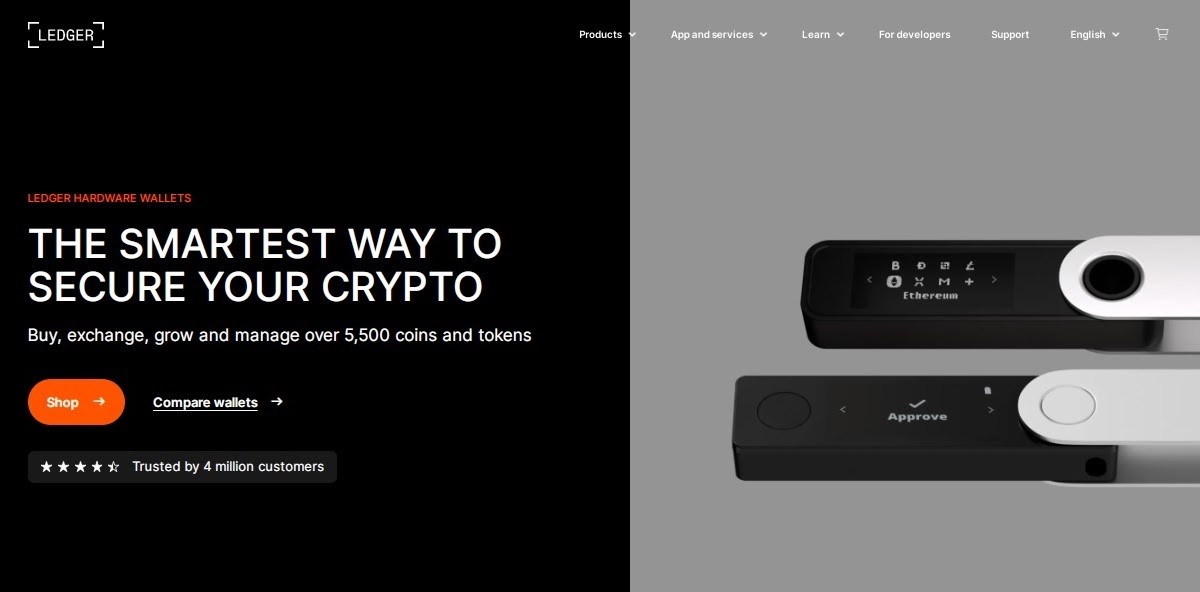
Ledger was created to solve this problem. By combining specialized hardware with secure software, Ledger allows users to store their private keys offline and manage digital assets safely. The journey begins at Ledger.com/start, the official setup platform designed to guide users through secure initialization and proper wallet management.
This guide explains how Ledger works, why Ledger.com/start is essential, and how to build safe crypto habits from the very beginning.
Why Crypto Security Requires a Different Mindset
Traditional financial systems rely on institutions to protect assets and resolve issues. Cryptocurrency removes intermediaries, meaning users must protect their own access.
Common risks in crypto storage include:
Online wallet compromises
Fake software downloads
Phishing attempts
Exchange failures
Malware-infected devices
Even a single mistake—such as exposing recovery information—can result in permanent loss. Ledger addresses these risks by removing private keys from internet-connected environments.
What a Ledger Wallet Actually Does
A Ledger wallet is not a place where coins are stored. Cryptocurrencies always exist on their respective blockchains. What Ledger protects are private keys, which authorize transactions.
Ledger devices:
Generate private keys securely
Store them inside protected hardware
Require physical confirmation for transactions
Prevent keys from being copied or exported
This design ensures that even if a computer or phone is compromised, assets remain safe.
The Purpose of Ledger.com/start
Ledger.com/start exists to eliminate uncertainty during setup. It ensures that users:
Use official Ledger software
Follow verified setup steps
Avoid counterfeit apps
Understand core security rules
Many crypto losses occur during setup due to rushed decisions or unverified downloads. Ledger.com/start minimizes these risks by offering a single trusted starting point.
Selecting the Right Ledger Device
Ledger devices are designed to suit different preferences while maintaining the same security foundation.
Ledger Nano S Plus
A straightforward device focused on reliability and simplicity. It connects via cable and supports a wide range of cryptocurrencies, making it suitable for long-term storage.
Ledger Nano X
Designed for flexibility, this device includes wireless connectivity and a built-in battery. It is useful for users who manage assets across multiple devices.
Regardless of the model, all Ledger wallets use the same secure architecture.
Preparing for Wallet Setup
A secure setup begins with preparation.
Before starting:
Choose a private location
Avoid public or shared computers
Disable screen recording tools
Keep pen and paper ready
Taking these precautions ensures that sensitive information remains private from the start.
Installing Ledger Live
Ledger Live is the official application used to interact with Ledger wallets. It functions as a management dashboard while keeping private keys safely inside the hardware device.
With Ledger Live, users can:
Install blockchain apps
Create and manage accounts
Send and receive cryptocurrency
Track balances and transactions
Update device firmware
Downloading Ledger Live through Ledger.com/start ensures authenticity and protection against malicious software.
Initializing the Ledger Device
After installing Ledger Live, connect the Ledger device using the supplied cable. The device will guide users through setup using on-device instructions.
Users will be asked whether they want to:
Create a new wallet
Restore an existing wallet
For new users, creating a new wallet is the correct option.
The Recovery Phrase Explained
During setup, Ledger generates a 24-word recovery phrase. This phrase is the single most important element of wallet security.
What the Recovery Phrase Controls
The recovery phrase:
Restores wallet access on any compatible device
Grants full control over all funds
Cannot be changed or regenerated
Losing the recovery phrase means losing access to funds permanently.
How to Store the Recovery Phrase
Proper storage rules:
Write it down clearly
Keep it offline
Store it in a secure location
Never share it
Ledger requires users to confirm the phrase during setup to ensure it was recorded correctly.
Protecting the Device with a PIN
A PIN code is required every time the Ledger device is connected. This prevents unauthorized physical access.
If the wrong PIN is entered repeatedly:
The device resets
Funds remain secure
Recovery requires the recovery phrase
The PIN should be unique and not reused elsewhere.
Managing Assets After Setup
Once setup is complete, Ledger Live becomes the control center.
Installing Cryptocurrency Apps
Each blockchain requires a specific app installed on the device. These apps allow the Ledger wallet to interact with different networks securely.
Apps do not store funds—they enable transaction signing.
Creating Accounts
After installing an app, users can create accounts in Ledger Live. Accounts allow users to:
Receive funds
Send transactions
Monitor balances
Multiple accounts can be created for organizational purposes.
Sending and Receiving Cryptocurrency
Receiving Funds
To receive crypto:
Select the desired account
Generate a receiving address
Verify the address on the Ledger device
This verification step ensures the address has not been altered by malware.
Sending Funds
To send crypto:
Enter the recipient details
Review transaction information
Approve the transaction on the device
Because the transaction is signed inside the hardware wallet, private keys remain protected.
Portfolio Overview and Tracking
Ledger Live provides users with a clear overview of their holdings. It allows:
Viewing total portfolio value
Tracking asset allocation
Reviewing transaction history
Monitoring market movements
This visibility helps users stay informed without sacrificing security.
Keeping the Wallet Secure Over Time
Security does not end after setup.
Firmware Updates
Ledger periodically releases firmware updates that improve security and compatibility. Updates are performed through Ledger Live and require device approval.
Keeping firmware up to date ensures protection against emerging threats.
Optional Passphrase Feature
Advanced users can enable a passphrase for additional security. This feature creates a separate wallet derived from the recovery phrase.
It should only be used by users who fully understand how it works, as losing the passphrase means losing access to funds.
Daily Security Habits
Strong habits prevent most losses:
Never share recovery information
Always verify addresses on the device
Avoid public networks for transactions
Keep software updated
Ignore unsolicited messages claiming to be support
Test transactions when moving large amounts
Human error remains the most common cause of crypto loss.
Common Issues and Solutions
Device Not Detected
Try a different cable
Restart Ledger Live
Check system permissions
Missing Funds
Ensure the correct account is selected
Re-add the account
Check blockchain confirmations
Delayed Transactions
Network congestion may cause delays
Fees may need adjustment
Wait for confirmations
Why Ledger Is Widely Used
Ledger has become a standard in crypto security because it offers:
Offline key storage
Secure hardware architecture
Transparent development
Broad cryptocurrency support
A strong focus on user education
Its approach balances security with usability.
Closing Thoughts
Ledger.com/start is the foundation of safe cryptocurrency ownership. It introduces users to the tools, knowledge, and habits required to protect digital assets independently.
Ledger does not eliminate responsibility—it places it in the hands of the user, supported by strong security technology. In a decentralized world, this combination of control and protection is essential.